How to Hire a Reliable Plumber in South Africa: Your Checklist
PIRB registration, insurance, references — use this checklist to verify your plumber's credentials.
We constantly see the aftermath of bad plumbing jobs across North Johannesburg. Homeowners from Sandton to Randburg often treat finding a qualified contractor like a roll of the dice. Stories of non-compliant installations and disappearing contractors are incredibly common.
Our goal as a professional service team is to change that narrative completely.
This guide on how to hire a reliable plumber in South Africa: your checklist provides the exact framework you need. You will learn how to verify credentials, evaluate quotes, and protect your property.
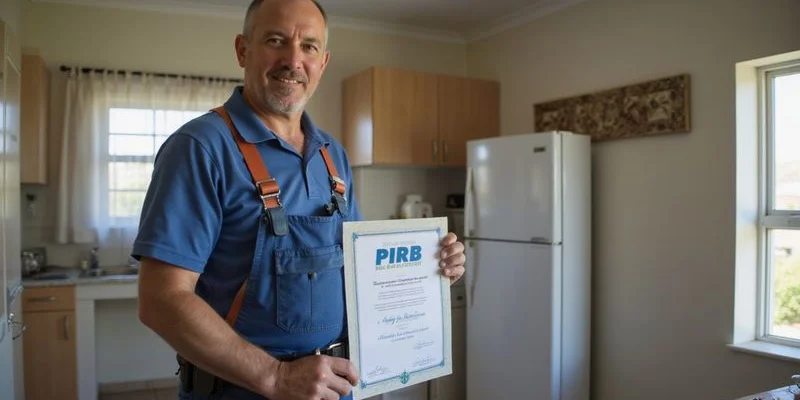
The Non-Negotiable: PIRB Registration
Our team considers registration with the Plumbing Industry Registration Board (PIRB) to be the absolute baseline for any contractor. Data from the Institute of Plumbing South Africa shows that nearly 87% of self-identified plumbers in the country operate without formal qualifications. This statistic highlights exactly why you cannot afford to skip background checks. We always advise clients that PIRB registration is a strict legal requirement, not a suggestion.
What PIRB Registration Means
A PIRB-registered professional brings verifiable expertise to your property. They understand critical regulations like SANS 10252 for water supply and SANS 10254 for geysers. Our experience shows that compliance with these specific South African National Standards prevents disastrous failures. These registered contractors have also agreed to a strict code of conduct.
- Completed recognised training through a formal apprenticeship or equivalent qualification.
- Demonstrated competence by passing rigorous practical and theoretical assessments.
- Committed to ethical business practices and high quality standards.
- Authorised to issue Certificates of Compliance (CoCs) for relevant plumbing work.
How to Verify Registration
Verifying a contractor takes only a few minutes. You simply need their registration number to check their status on the official database. We recommend doing this before allowing anyone onto your property.
- Ask the contractor directly for their PIRB registration number.
- Visit the official website at www.pirb.co.za to use the online verification tool.
- Confirm that their status is currently active and not suspended.
- Check their specific registration category to ensure they are qualified for your exact project.
Why This Matters
An unregistered contractor legally cannot issue a Certificate of Compliance. Insurance companies are increasingly strict about this requirement for 2026. Our network experts note that insurers like ONE Geyser Emergency Assist will often cap non-compliant replacement claims at R10,000 or reject them entirely.
- Your home insurance provider will likely repudiate claims for water damage.
- You will face major delays or legal hurdles when selling your property.
- The installation might ignore critical safety protocols like proper vacuum breakers.
- You have zero recourse through official industry bodies if the workmanship fails.
Your Complete Hiring Checklist
Using a structured approach removes the guesswork from selecting a contractor. This methodology protects both your wallet and your home. We use these exact same criteria when vetting professionals for complex projects.
1. Verify PIRB Registration
This step acts as your primary filter. Skip this, and the rest of the checklist becomes irrelevant.
- Ask for the PIRB registration number immediately.
- Verify the credentials online at www.pirb.co.za.
- Confirm the registration is current and active.
- Check that their specific category covers the exact work you need done.
2. Confirm Insurance
A reputable professional carries substantial insurance coverage. The industry standard in South Africa requires a minimum public liability cover of R2 million. We strongly advise requesting their current policy documents.
- Public liability insurance: Covers accidental damage to your property during the project.
- Workmen’s compensation: Protects you from liability if the contractor or their staff suffer injuries on your premises.
3. Check for a Physical Business Address
An established business address indicates stability and professional accountability. Legitimate companies are registered with the CIPC and provide clear contact details. Our team considers a generic mobile number with no physical footprint to be a major warning sign.
- Avoid operators who refuse to provide a fixed address.
- Verify their online presence through a website or a verified Google Business profile.
- Ask for their company registration documentation to confirm their legal status.
4. Request References
Past performance offers the best predictor of future results. Platforms like HelloPeter and local community Facebook groups provide unfiltered customer experiences. We encourage you to contact at least two recent clients directly.
- Did the contractor finish the project on the agreed date?
- Did the final invoice match the original written estimate?
- Did the crew clean the work area thoroughly before leaving?
- Did the company resolve any post-installation issues quickly?
5. Get a Written Quote (Not Just a Verbal Estimate)
The South African Consumer Protection Act gives you specific rights regarding quotations. Section 15 of the CPA states you are entitled to a written cost estimate before any repair work begins. Our staff tells clients to reject any verbal approximations immediately.
- Detailed scope of work: A precise breakdown of the tasks involved.
- Materials list: Specific brands and grades of materials used.
- Labour costs: Clear hourly rates or a fixed total for the project.
- Total price: A final figure that includes VAT.
- Payment terms: A clear schedule outlining deposit and final payment dates.
- Timeline: Firm start and completion dates.
- PIRB CoC: Written confirmation that a compliance certificate will be provided.
6. Compare Multiple Quotes
Gathering three distinct quotes provides a clear view of the current market rate. Current 2026 pricing data for Johannesburg shows significant variance between standard and emergency services. We find that the cheapest option often results in the most expensive long-term problems.
| Service Type | 2026 Average Rate (Johannesburg) | Important Details |
|---|---|---|
| Standard Call-Out Fee | R450 to R650 | Covers travel and initial 30-minute assessment. |
| Standard Hourly Rate | R450 to R750 | Applies during normal business hours. |
| Emergency Call-Out | R600 to R1,300 | Premium rate for after-hours or weekend visits. |
| Geyser Installation | R8,500+ (Total) | Varies heavily based on unit size and accessibility. |
A quote that falls far below these averages should trigger immediate concern. Contractors offering rock-bottom prices typically use inferior materials or lack proper insurance.
7. Clarify Payment Terms
We have seen too many homeowners lose money by paying the full invoice upfront. Professional contractors follow fair and transparent payment structures. A deposit of 30% to 50% to cover materials is standard practice.
- Never pay the entire amount before the job begins.
- Stage payments for large projects by tying them to specific completion milestones.
- Retain a 10% holdback on major renovations for seven days to ensure everything works perfectly.
8. Confirm the CoC Will Be Issued
Certain high-risk projects legally require a Certificate of Compliance. This applies directly to geyser installations, new plumbing systems, and major structural changes. We advise clients to demand the digital e-CoC before releasing the final payment.
Red Flags to Watch For
Scammers frequently use specific tactics to pressure vulnerable homeowners. Recognizing these warning signs early can save you thousands of rands. Our training programs educate clients on these common deceptive industry practices.
- Refusal to provide a valid PIRB registration number upon request.
- Demanding cash-only payments to avoid tax and paper trails.
- Using high-pressure sales tactics like exclusive daily discounts.
- Refusing to put pricing and project scope into a formal written document.
- Lacking any verifiable reviews on public platforms.
- Providing vague completion timelines instead of firm dates.
During the Work
Your involvement does not end once the contractor arrives. Active oversight ensures the project aligns with the agreed written quote. We recommend doing a quick daily walk-through for larger projects.
- Walk through the exact scope of work with the contractor before tools come out.
- Ask for clarification immediately if the process deviates from the written plan.
- Take clear photographs of the site before, during, and after the project.
- Verify that the specific material brands quoted are actually being used.
- Inspect the finished work thoroughly before handing over the final payment.
- Collect your CoC either before or at the exact moment of final settlement.
After the Work
The Consumer Protection Act provides a mandatory six-month implied warranty on all repair work. This means the contractor must return to fix defective workmanship at their own cost. Our protocol involves testing the system extensively while the contractor is still on the premises.
- Run all taps, flush every toilet, and check the pipe joints for minor leaks.
- File the official CoC safely with your home insurance documents.
- Post an honest review online to help other local homeowners make informed choices.
- Document the exact start date of your warranty period.
What to Do If Something Goes Wrong
Disputes occasionally happen even with highly vetted professionals. South African consumers have several clear avenues for resolution. We encourage resolving the matter directly with the contractor before escalating to regulatory bodies.
- Contact the contractor first and provide a reasonable timeframe to rectify the issue.
- Compile all your documentation, including photos, written quotes, and email threads.
- Lodge a formal complaint with the IOPSA portal if the contractor refuses to fix non-compliant work.
- Approach the Consumer Goods and Services Ombud (CGSO) for mediation assistance.
- Consult a legal professional if the defective work causes severe financial damage.
A Final Word on Finding Reliable Plumbing Partners
Securing a dependable contractor protects your largest asset. Taking the time to verify credentials pays off significantly in the long run. Our network of PIRB-registered contractors undergoes strict vetting for insurance coverage and professional standards.
Finding the right expert does not have to be a stressful experience. Whether you need emergency plumbing, leak detection, geyser installation, drain cleaning, or pipe repair across North Johannesburg, local help is available.
We connect you directly with qualified professionals you can confidently hire. Reach out today to schedule your compliant plumbing service.