7 Warning Signs of a Hidden Water Leak in Your Home
Learn how to spot the telltale signs of a hidden water leak in your North Johannesburg home before it causes serious structural damage and costly repairs.
You know how destructive a visible pipe burst can be — our emergency plumbing team deals with these crises daily.
Our service team sees the aftermath of hidden water leaks every single week across North Johannesburg. These silent issues cause progressive damage behind walls and under floors.
The constant shifting of the Highveld’s expansive clay soils makes this problem remarkably common in areas like Bryanston and Fourways.
“Catching a hidden leak early is the single best way to protect your property’s foundation and your wallet.”
We often find that catching these problems early saves thousands of Rands. Let’s look at the 7 warning signs of a hidden water leak in your home, what the data is actually telling us, and explore a few practical ways to respond.
Sign 1: An Unexplained Increase in Your Water Bill
Your water bill from Johannesburg Water is one of the most reliable early indicators of a problem. We always ask clients to look closely at their usage trends over the last three months.
If your water habits have not changed but your bill has spiked, water is likely escaping somewhere in your system.
How to Confirm
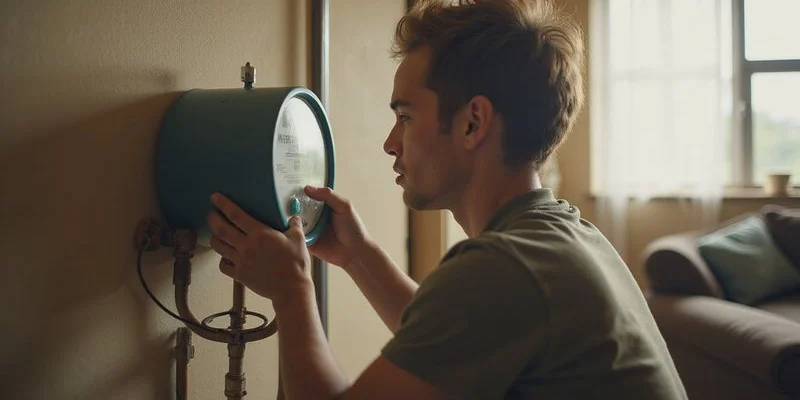
Perform a simple meter test:
- Ensure all taps, appliances, and irrigation systems in your home are turned off completely.
- Read your water meter and write down the exact numbers.
- Do not use any water for two full hours.
- Read the meter again to check for changes.
If the numbers have moved, water is flowing on your property without your permission.
What the Numbers Mean
A small but continuous leak can waste 10,000 litres or more per month. Our recent analysis of the proposed 2025 and 2026 Joburg Water 13.9% tariff hikes shows how expensive this gets.
Johannesburg Water uses step pricing, meaning higher usage pushes you into much more expensive tariff tiers. This simple pinhole leak can easily add between R500 and R2,000 to your monthly expenses.
| Monthly Water Wasted | Estimated Extra Cost (ZAR) | Impact on Tariff Tier |
|---|---|---|
| 5,000 Litres | R250 - R400 | Minor tier jump |
| 10,000 Litres | R500 - R850 | Moderate tier jump |
| 20,000+ Litres | R1,200 - R2,500+ | Maximum penalty rates |
You may be eligible for a leak adjustment from the municipality if you fix the issue promptly. We provide the required plumber’s report to help you apply for this adjustment.
Sign 2: Damp Patches on Walls, Ceilings, or Floors
Unexplained damp patches are one of the most visible indicators of trapped water. These discoloured areas usually appear darker than the surrounding surface on walls, ceilings, or floors.
Our technicians frequently use Protimeter Surveymaster moisture meters to trace these spots back to their hidden source.
Where to Look
- Ceilings below bathrooms: Water from leaking toilet connections or shower trays travels along ceiling joists before emerging as a damp spot.
- Walls behind showers: Grout deterioration allows water to penetrate behind tiles.
- Floors near kitchens: Leaking supply lines can seep directly through the concrete floor slabs.
- External walls: Outside taps and irrigation connections serve as common failure points.
The Danger of Ignoring Damp Patches
Damp patches indicate that your building materials are actively absorbing water. Over time, this absorption leads to severe structural weakening of walls and ceilings.
We see cases where this causes wood rot in roof trusses and creates white salt deposits on brickwork. In the warm summer climate of Johannesburg, damp conditions also create the perfect environment for dangerous fungal growth.
Sign 3: The Sound of Running Water When Nothing Is On
You might hear a subtle hissing, dripping, or flowing sound when the house is completely quiet. Our specialists recommend standing near walls that contain plumbing to listen carefully.
Turn off all water-using appliances like dishwashers and washing machines before conducting this listening test. In newer Fourways estates with PVC pipes, the sound tends to be much quieter than in older Bryanston homes with copper piping.
When the Sound Comes and Goes
Sometimes you only hear running water at certain times of the day. This intermittent noise often happens after power returns and municipal pressure surges through the lines.
We notice that these surges force small leaks open, which then seal themselves under normal pressure. Read more about how load shedding causes plumbing emergencies to protect your pipe network.
Sign 4: Low Water Pressure
A sudden or gradual decrease in water pressure strongly suggests a leak in your main supply line. This is the main pipe running directly from the municipal water meter to your house.
Our first step is to turn on a single tap to its full position and observe the flow rate. If the pressure is noticeably lower than normal, water is likely diverting before it reaches the tap.
Common Causes in North Johannesburg
The supply line runs underground, and failures here reduce pressure at every single tap inside the house. Internal corrosion in older galvanised pipes narrows the pipe bore and restricts the water flow, often requiring professional pipe repair or full replacement.
We find this issue is extremely common in Bryanston and Randburg properties built before 1990. Always check if your neighbours have low pressure before assuming you have a leak, as municipal supply varies.
When Low Pressure Is Localised
If low pressure affects only one specific tap, the leak is likely in that specific branch line. A professional leak detection service can pinpoint the exact location without destroying your property.
Sign 5: Mould or Mildew Growth
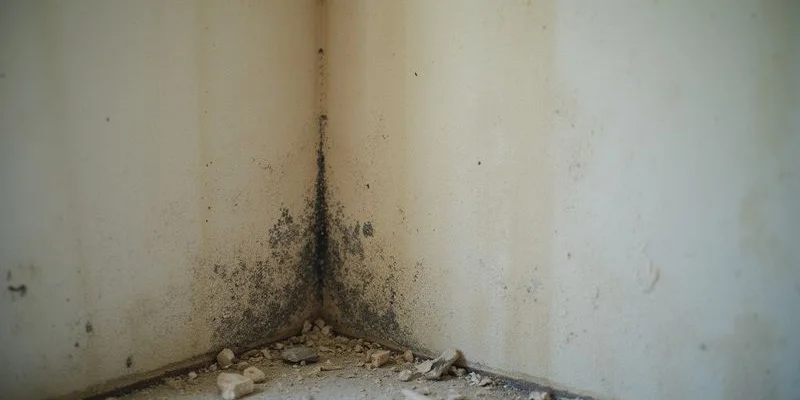
Mould requires moisture, warmth, and an organic food source to thrive inside a building. A hidden leak provides the moisture, the Johannesburg climate provides the heat, and your plasterboard provides the food.
Our teams regularly spot black or green spots in corners, behind furniture, and along shower grout lines. You might also notice a musty odour or experience unexplained allergic reactions while at home.
Health Implications
Mould is a serious health hazard that goes far beyond a cosmetic problem. Certain species like Stachybotrys chartarum produce mycotoxins that cause severe respiratory issues.
We take these health risks seriously, especially for children and elderly family members. The United States Centers for Disease Control and Prevention notes that mold infestations larger than ten square feet require professional remediation.
If you simply clean the surface and repaint, the fungal growth will return rapidly. You must fix the underlying moisture source first.
Sign 6: Cracks in Walls or Foundation
Hidden underground leaks can severely undermine the structural foundation of your property. This is a massive concern in North Johannesburg due to the region’s smectite clay soils.
Our engineering contacts confirm that this expansive clay swells dramatically when wet and shrinks when dry. This constant soil movement creates differential settlement and dangerous uplift pressure on your foundation walls.
Warning Signs of Foundation Movement
- Diagonal cracks running outward from window or door corners.
- Horizontal cracks forming in structural retaining walls.
- Doors or windows that suddenly stick or no longer close properly.
- Visible gaps forming between walls and ceilings.
- Uneven floors that cause a round object to roll to one side.
The True Cost of Ignoring Damage
Foundation repairs are among the most expensive construction projects a property owner can face. Recent 2025 and 2026 construction data for Sandton and Johannesburg shows traditional underpinning costs between R15,000 and R40,000 per linear metre.
We urge clients to catch the underlying leak early to avoid these catastrophic structural expenses. A minor plumbing repair bill is always preferable to a massive foundation stabilization project.
Sign 7: Warm Spots on Floors
A section of your floor that feels noticeably warmer than the surrounding area often indicates a hot water pipe leak under the concrete slab. Walk barefoot on your tiled or hard floors to locate any unusually warm patches.
Our plumbers advise turning off any underfloor heating systems before conducting this basic test. If the warm spot remains present constantly, you likely have a damaged pipe.
Why Hot Water Leaks Are Urgent
A hot water leak forces you to pay for both the escaping water and the electricity used to heat it. Data from Eskom shows that a standard 150L electric geyser consumes between 2.5 and 3 kWh per hour of operation.
We calculate that a continuous hot water leak easily adds hundreds of Rands to your monthly electricity bill at the current R2.80 per kWh rate. Elevated temperatures also accelerate the chemical degradation of your flooring materials, causing faster damage than cold water leaks.
What to Do If You Suspect a Hidden Leak
Confirming the presence of a leak is just the first step in protecting your property. While a meter test proves water is escaping, finding the exact location requires specialized equipment.
Our specialists use advanced technology to locate the exact problem area without destructive digging.
Professional Leak Detection Technology
Modern detection methods allow technicians to pinpoint leaks with incredible accuracy.
- Acoustic detection: Systems like the Gutermann AQUASCAN use sensitive microphones to amplify the exact sound of water escaping through concrete.
- Thermal imaging: Infrared cameras reveal hidden temperature differences caused by warm water leaks or evaporation.
- Tracer gas: Technicians introduce a harmless gas into the pipes and detect where it escapes at the surface.
- Moisture meters: Electronic devices measure the exact moisture content hidden deep inside walls and floors.
These methods allow for targeted repairs that minimize damage to your home and lower your total repair costs. We always recommend reading our comparison of DIY leak checks vs professional leak detection to understand when to call for help.
Do Not Delay
Hidden water problems never fix themselves and will only grow worse over time. The sooner you act, the less structural damage you will face and the lower the repair bill will be.
Keeping an eye out for the 7 warning signs of a hidden water leak in your home is your first line of defense. Our professional leak detection service uses the latest acoustic and thermal imaging technology to locate leaks accurately across all North Johannesburg suburbs.
Fast response times and transparent pricing are available across Bryanston, Sandton, Fourways, Randburg, and Midrand.