How to Prevent Your Geyser From Bursting This Winter
Protect your home from costly geyser bursts this winter with our comprehensive prevention guide. Learn about insulation, pressure valves, and maintenance tips for North Johannesburg homeowners.
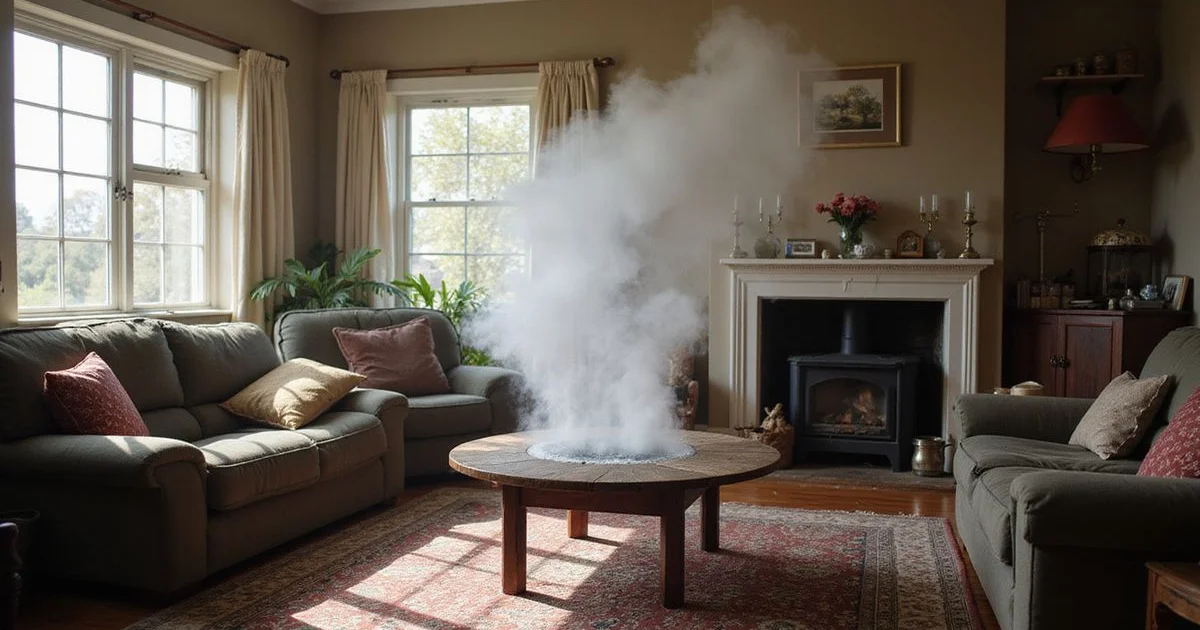
Every winter in Johannesburg, thousands of property owners wake up to the nightmare of a burst water heater. Water streams through the ceiling, damages expensive furniture, and creates repair bills that can easily exceed ten thousand rands.
We see this exact scenario play out constantly across the Highveld. The sharp temperature drops between day and night stress ageing equipment to the breaking point. These plumbing disasters are highly predictable and entirely avoidable.
Our team has spent years fixing these specific winter emergencies. This guide covers exactly How to Prevent Your Geyser From Bursting This Winter.
We will break down why these failures happen and explain how a few smart upgrades can protect your property during the cold months.
Why Do Geysers Burst in Winter?
Understanding the mechanics behind a burst cylinder is the first step toward effective prevention. Several specific environmental factors combine during the colder months to increase the risk of a rupture.
Thermal Expansion and Contraction
When overnight temperatures in areas like Sandton and Fourways plummet to 2 degrees Celsius, the cold water entering your system contracts. The internal thermostat then kicks in to push the temperature back up to 60 degrees.
Our technicians often see this repeated thermal cycling weaken the metal cylinder over time. This rapid reheating causes the water to expand by roughly four percent. The stress multiplies rapidly if your pressure relief system is faulty.
Increased Demand on the System
People simply use more hot water during the colder months. Longer showers and hotter baths mean the heating element stays on much longer than usual.
We find that this constant operation accelerates wear on crucial components like the thermostat and the tank lining. Eskom data shows that water heating can account for up to 40 percent of a South African household’s electricity bill. That massive energy draw translates directly into mechanical strain on your equipment.
Ageing Equipment
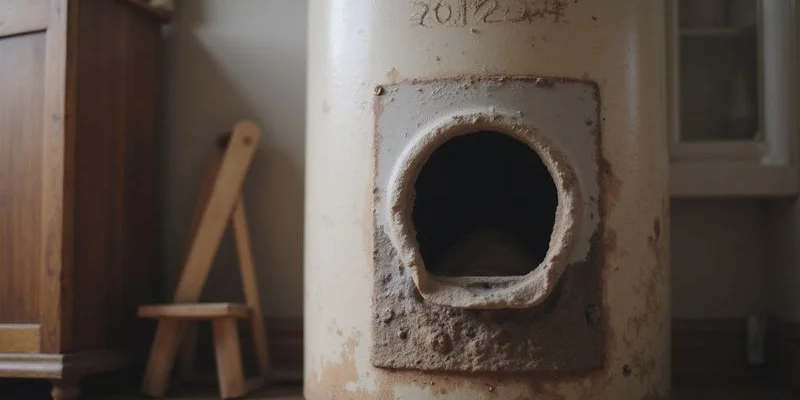
Most standard domestic water heaters, like the popular 150-liter Kwikot models, come with a five-year warranty on the inner cylinder. Many property owners push these units past ten years of service.
Our field data shows that a sudden winter cold snap is exactly what exposes the hidden corrosion inside an older tank. A depleted sacrificial anode or a faulty thermostat can quickly turn a chilly morning into a very expensive emergency.
Essential Prevention Steps
Taking a proactive approach before the cold weather sets in is far cheaper and less stressful than dealing with a burst. Here are the key steps every property owner in North Johannesburg should take.
1. Insulate Your Geyser and Pipes
Installing a high-quality fiberglass geyser blanket is the most cost-effective upgrade you can make right now. These wraps stop radiant heat loss, which stops the constant thermal cycling that fractures the internal cylinder.
We highly recommend wrapping the exposed copper pipes running through your roof as well. SANS 10400-XA building regulations require hot water pipes to be insulated to maintain thermal efficiency. Proper pipe insulation in chilly suburbs like Bryanston can cut heating energy waste by a full 20 percent.
2. Check and Replace the Pressure Relief Valve
The temperature and pressure relief valve acts as the primary safety mechanism for your hot water system. Most standard South African installations use a 400kPa or 600kPa valve designed to release excess buildup before the tank ruptures.
Our maintenance crews frequently find these brass valves seized up from calcium deposits because they are never tested. You should lift the test lever on the valve twice a year to ensure water flows and stops cleanly. Call a registered professional immediately if the valve drips constantly or releases no water at all.
3. Lower Your Thermostat Setting
Manufacturers frequently ship new units with the thermostat set to a blistering 70 degrees Celsius. This excessive heat forces the tank to endure severe thermal shock when cold winter water enters the system.
We advise dropping the setting to 60 degrees Celsius to match Eskom’s recommendations for optimal efficiency and safety. This temperature remains hot enough to prevent harmful Legionella bacteria while dramatically reducing the strain on the metal cylinder.
4. Install a Drip Tray and Overflow System
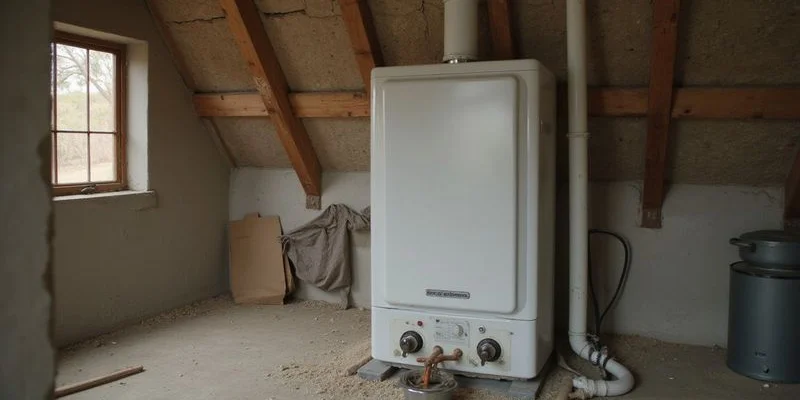
No mechanical system is entirely failsafe against freezing temperatures and high pressure. A heavy-duty PVC drip tray placed beneath the cylinder provides a crucial line of defense against interior flooding.
Our standard procedure ensures compliance with SANS 10252-1 plumbing codes, which dictate all modern installations must feature this tray connected to a 50mm PVC overflow pipe routing outside. Retrofitting a compliant tray is a fast and simple job if your older property lacks this basic protection.
5. Have the Sacrificial Anode Inspected
Manufacturers install a magnesium or aluminum sacrificial anode rod inside every tank to attract corrosive elements in the water. This vital rod literally rusts away so your steel tank does not have to.
We see the moderately hard water supplied by Rand Water across Johannesburg eat through a standard anode in just two or three years. A professional can quickly remove the rod from the top of the unit to check its condition. Replacing an anode that is more than 50 percent degraded costs very little but adds years to the lifespan of the equipment.
6. Schedule a Professional Inspection
Booking a preventative inspection with a PIRB-registered technician is the smartest move you can make before May. A proper service covers the heating element, the thermostat calibration, the safety valve, and all electrical connections.
Our inspection teams always check for early signs of metal fatigue that homeowners cannot see from the outside. If your current setup is over ten years old, a technician can help you decide if replacement is the more cost-effective option compared to constant repairs.
Load Shedding and Your Geyser
Rolling blackouts introduce a massive layer of risk for water heating systems. The electrical grid often sends a harsh voltage spike through the lines the moment power is restored.
We deal with the aftermath of these sudden surges constantly, as they are notorious for frying heating elements and blowing out sensitive thermostats. The water inside the tank also cools down significantly during a four-hour outage. When the power finally returns, the system has to work at maximum capacity to heat freezing water, creating intense thermal stress.
Our top recommendation is installing a dedicated smart controller to manage this chaos. Options like the GeyserWise MAX or the CBI Astute controller allow you to dictate exactly when the unit turns on.
- Staggered Recovery: Program the controller to delay heating for 15 minutes after power returns to avoid the initial voltage spike.
- Peak Tariff Avoidance: Keep the system completely off during expensive peak demand hours.
- Solar Integration: Easily connect the system to a solar collector or heat pump down the line.
Transitioning to a solar water heater or a heat pump completely changes the dynamic. The initial capital outlay is higher, but removing this heavy appliance from the strained electrical grid offers incredible peace of mind.
Warning Signs That Your Geyser May Be Failing
Do not wait for a dramatic burst to take action. Watch for these clear warning signs that indicate your equipment is nearing the end of its functional life.
Discoloured Water
Hot water that comes out of the tap looking rusty or brown is a massive red flag. This discoloration usually means iron oxide is building up inside the tank because the sacrificial anode has completely failed.
We often find that the steel cylinder itself is rusting from the inside out when this happens.
Unusual Noises
A healthy water heater operates in near silence. Popping, hissing, or loud rumbling noises usually point to a thick layer of calcium carbonate sediment baked onto the bottom of the tank.
Our plumbers know this hard scale traps heat against the element, causing the water to boil aggressively and the metal to warp.
Water Pooling Around the Geyser
You should never ignore moisture inside the drip tray or damp patches on the ceiling below the roof space. Even a tiny, slow drip suggests a micro-fracture has formed in the inner casing.
We can guarantee that this tiny leak will inevitably split wide open when the first hard freeze hits the city.
Inconsistent Water Temperature
A sudden blast of scalding water followed by a lukewarm shower means your thermostat is failing to read the internal temperature correctly. A broken thermostat can force the element to continuously heat the water past 90 degrees Celsius.
Our emergency crews regularly see the aftermath of this extreme heat, which creates immense steam pressure that the tank was never designed to hold.
What to Do If Your Geyser Bursts
If the worst happens and the cylinder splits, your immediate reaction dictates how much damage your property sustains. Municipal water lines push water at pressures up to 6 bar, meaning a ruptured tank can flood a ceiling in minutes.
We strongly urge you to follow these exact steps to secure the area:
- Kill the power immediately: Switch off the dedicated geyser breaker on your main distribution board to prevent electrical shorts and fires. Never touch the tank if you are standing in a puddle.
- Shut off the municipal water: Locate and close the isolation valve attached to the cold water inlet pipe near the tank. Shut off your main property stopcock if you cannot find the local valve.
- Relieve the line pressure: Open all the hot water taps in your bathrooms and kitchen. This drains the remaining water out of the pipes and stops it from pouring through your ceiling.
- Call a 24-hour professional: Reach out to a certified emergency plumbing service immediately. High-quality plumbing outfits maintain rapid response teams specifically for winter bursts in North Johannesburg.
- Photograph everything: Snap clear photos of the ruptured tank, the flooded areas, and any damaged furniture for your insurance broker. Most standard comprehensive building policies cover the resulting water damage, but they require solid visual proof.
The Cost of Prevention vs Repair
The financial argument for basic maintenance is impossible to ignore. A complete catastrophic failure requires buying a new unit, paying for emergency labor, pulling new compliance certificates, and fixing ruined ceilings.
We tracked the average costs for homeowners in Johannesburg during the 2025 winter season. The numbers clearly show why a proactive approach protects your wallet.
| Service / Repair Type | Estimated Cost (ZAR) | What It Includes |
|---|---|---|
| Preventative Winter Service | R900 - R1,600 | Anode check, T&P valve test, thermostat calibration, general inspection. |
| Basic Component Repair | R1,500 - R2,800 | Replacing a burnt element, faulty thermostat, or dead anode rod. |
| Standard Geyser Replacement | R9,500 - R14,000 | New 150L unit, standard installation, plumbing materials, and PIRB compliance certificate. |
| Burst Geyser Damage Repair | R25,000 - R50,000+ | New unit installation plus replacing drywall, painting, and restoring ruined flooring. |
Spending a thousand rands in April can easily save you forty thousand rands in July.
Take Action Before Winter Arrives
Smart property management means getting ahead of the changing seasons. The ideal time to prepare your plumbing is in late autumn, long before the overnight temperatures plummet.
We strongly advise booking a thorough system check today before the winter rush begins. Knowing exactly How to Prevent Your Geyser From Bursting This Winter gives you peace of mind when the freezing weather hits.
Our certified technicians operate across Sandton, Randburg, Fourways, and the greater North Johannesburg region. Contact the office right now to book your annual maintenance service or arrange professional geyser inspections and installations to secure your property.